


The 7 Skills That Matter Most in Today’s World of Work
The rules of success at work have changed. It’s no longer just about what you know; it’s about how you think, how you adapt, and how you work with others. In a world shaped by rapid change, automation, and constant uncertainty, the skills that truly set people apart are human, transferable, and lasting. These are the skills that help you stay relevant, grow with confidence, and create meaningful impact no matter how your role evolves.

Why These Skills Matter More Than Ever
The world of work has shifted dramatically in the past decade. Technology continues to evolve, artificial intelligence is reshaping tasks, and career paths are no longer linear or predictable. In today’s environment, success is no longer defined only by what you know. It depends on how you think, how you respond to change, and how well you work with others.
Organizations like the World Economic Forum and LinkedIn consistently highlight the growing importance of human skills. These are often called durable skills because they remain relevant even as tools and technologies change. While technical knowledge may open doors, these skills determine how far you go once you are inside.
The 7 Essential Skills for Career Success
1. Building Relationships
Success is a network, not a solo act. Your ability to build meaningful relationships influences collaboration, trust, and long-term opportunity. Strong relationships create a foundation where ideas flow more easily, and challenges are easier to solve. Relationship-building requires active listening, empathy, and consistency in how you present yourself. When people trust you, they are more likely to support your ideas and include you in new opportunities. Over time, relationships become one of the most valuable assets in your career.
2. Learning New Skills
The pace of change means learning is no longer optional. New tools, platforms, and ways of working are constantly emerging, and those who stay curious remain relevant. A growth mindset, a concept introduced by Stanford psychologist Carol Dweck, plays a key role here. It encourages the belief that abilities can be developed through effort and learning. Whether through online courses, hands-on experience, or mentorship, continuous learning builds both competence and confidence. Take the free Learning Mindset Quiz to find out how ready you are to adapt and grow in a changing world.
3. Being Adaptable
Change is no longer occasional. It is constant. Roles evolve, priorities shift, and unexpected challenges arise. Adaptability allows you to respond with flexibility instead of resistance. Being adaptable means staying open to new ideas and adjusting your approach when needed. It also involves maintaining a steady mindset during uncertainty. Rather than needing all the answers upfront, adaptable individuals focus on figuring things out as they go.
4. Helping and Inspiring Others
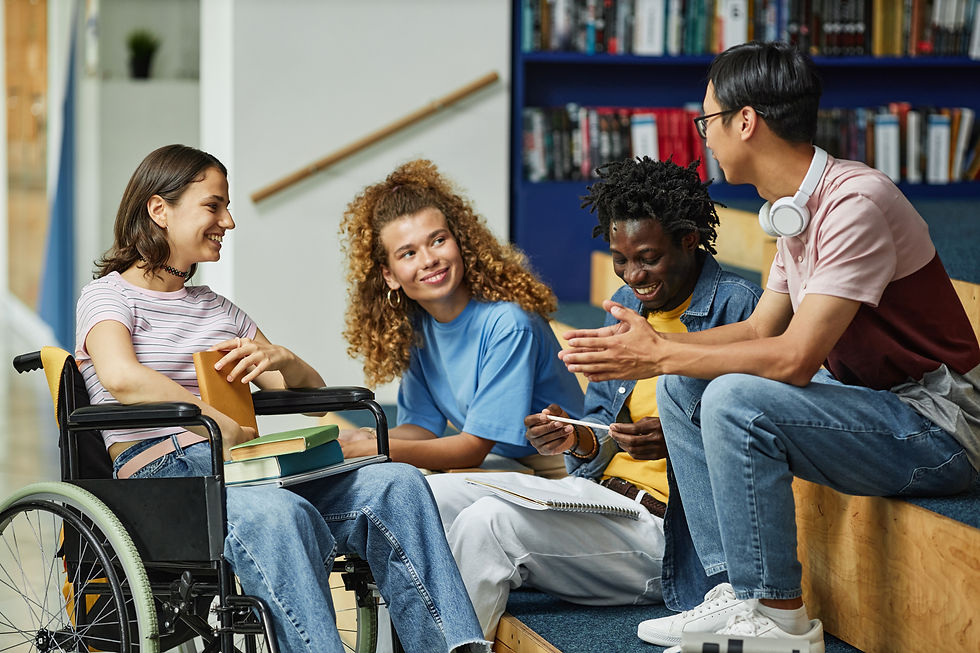
Modern work is highly collaborative, and success in team collaboration is rarely achieved alone. The ability to support and inspire others contributes to stronger teams and better outcomes. This does function not require a formal leadership title. It can be expressed through small, consistent actions such as sharing knowledge, offering encouragement, or recognizing someone’s effort. These behaviors create a positive environment where people feel motivated to contribute their best work.
5. Thinking Critically
In a world where information is abundant, the ability to think critically is more valuable than ever. Critical thinking helps you evaluate information, identify patterns, and make informed decisions. Critical thinking involves asking thoughtful questions, challenging assumptions, and considering multiple perspectives. While technology can generate answers quickly, human judgment determines which answers are useful and reliable.
6. Communicating Clearly
Clear and effective communication is what turns ideas into impact. Whether you are speaking in a meeting, writing an email, or presenting a proposal, your ability to express yourself effectively shapes how others understand and respond to you. Good communication is not just about speaking clearly. It also involves listening carefully and adapting your message to your audience. When communication is clear, it reduces confusion, strengthens alignment, and builds credibility. Take the free Communication Styles Quiz to discover how your communication approach impacts clarity and collaboration.

7. Being Accountable
Accountability is the foundation of trust in any professional setting. It means taking ownership of your actions, following through on commitments, and being responsible for outcomes. People value colleagues they can rely on. When you consistently deliver and take responsibility, you build a reputation for integrity. Over time, this trust becomes a key factor in career growth and leadership opportunities.
How These Skills Work Together
These skills do not exist in isolation. They reinforce each other in meaningful ways. Clear communication strengthens relationships. Adaptability supports continuous learning. Critical thinking improves decision-making and enhances your support of others.
Together, they create a foundation that enables you to navigate change with confidence and contribute in meaningful ways, regardless of your role or industry.
How Talent Transformation Can Help
The fastest way to build durable skills is by understanding yourself first, and that’s exactly where quizzes make a difference. Instead of guessing what to improve, these assessments give you clear, personalized insights you can act on immediately.
The Learning Mindset Quiz measures how open you are to growth and new experiences.
The Emotional Intelligence Quiz strengthens empathy, awareness, and how you connect with others.
The Communication Styles Quiz helps you express ideas more clearly and adapt to different audiences.
The Interactive Styles Quiz reveals assertive, direct, or passive-aggressive communication patterns when interacting with others.
The Cognitive Biases Quiz uncovers hidden mental shortcuts that can lead to poor decisions, helping you think more objectively.
The Career Readiness Quiz builds resilience and prepares you to manage change and uncertainty.
The Talents Identifier Quiz helps you identify and apply your natural strengths more effectively.
Each quiz is designed to turn abstract skills into measurable, actionable outcomes. Instead of broad advice, you get specific insights about where you are now and how to improve.
Takeaways
The skills that matter most today are not tied to a specific job or industry. They are rooted in how you think, how you interact, and how you respond to change. Relationship building, adaptability, learning, communication, critical thinking, accountability, and supporting others form a durable foundation for long-term success. As the workplace continues to evolve, these skills will remain constant, helping you grow, stay relevant, and create meaningful impact over time.
FAQ
What are the most important skills in today’s workplace?
The most important workplace skills include communication, adaptability, critical thinking, emotional intelligence, and continuous learning. These skills help individuals navigate change and work effectively with others.
Why are soft skills becoming more important?
Work environments are more collaborative and fast-changing than ever. Employers need individuals who can communicate, adapt, and solve problems, not just complete tasks.
Are technical skills still valuable?
Technical skills remain important, but they are not enough on their own. Human skills complement technical expertise, making it more effective in real-world situations.
How can I start improving these skills?
You can improve these skills by practicing self-awareness, seeking feedback, staying curious, and applying what you learn in everyday work situations.
References and Citations
World Economic Forum. "The Future of Jobs Report 2025." 2025.
Organisation for Economic Co-operation and Development. "OECD Skills Outlook 2025: Building the Skills of the 21st" Century for All. OECD Publishing, 2025.
International Labour Organization. "Global Framework on Core Skills for Life and Work in the 21st Century." 13 July 2021.
National Association of Colleges and Employers. "Career Readiness Competencies for a Career-Ready Workforce." 2025.
Dweck, Carol S. "Mindset: The New Psychology of Success." Random House Publishing Group, 2006.







.png)