


Doing Life Alone? 8 Ways to Cope with the Stress
Life can feel overwhelming when you’re trying to figure things out, such as balancing school, work, family responsibilities, money stress, and an uncertain future, without much support. While therapy can be helpful, it’s not always accessible or affordable, and that can leave you feeling as if you must handle everything on your own. But lacking access to therapy doesn’t mean your mental health isn’t important or that you’re out of options.

Stress builds quietly and can affect your focus, motivation, relationships, and confidence. The good news is you don’t need perfect conditions or expensive resources to start taking care of yourself. Small, practical steps can help you manage stress, understand your emotions, and regain a sense of control, starting right where you are, with what you have.
Why This Matters
Stress isn’t just “feeling overwhelmed.” It affects how you think, sleep, work, and connect with others. And while therapy is often recommended, it’s not always realistic due to cost, availability, or stigma.
The key insight: mental well-being isn’t all-or-nothing. Small, consistent actions can stabilize your mind and body even without formal therapy.
What Happens When Stress Builds Up
When stress goes unmanaged, your nervous system stays in a constant “alert” state. Over time, this can lead to:
Burnout and chronic fatigue
Irritability or emotional shutdown
Poor concentration and decision-making
Sleep disruption
Physical symptoms like headaches or muscle tension
That’s why proactive coping, even in simple forms, matters.
Key Insights
If therapy isn’t financially accessible, you can still manage stress effectively by combining low-cost or free strategies, such as structured routines, emotional awareness, community support, and self-guided tools like journaling, mindfulness, movement, and even AI coaching. These approaches don’t replace professional care, but they can significantly reduce stress and improve resilience in everyday life.

8 Practical Ways to Cope Without Therapy
1. Build a Simple Daily Structure
Building a simple daily structure can help reduce stress by creating a sense of stability in uncertain times. When your day feels unpredictable, even a basic routine can ground you. Try setting consistent wake-up and sleep times, choosing two to three priority tasks to focus on, and including one daily reset activity like a walk, listening to music, or enjoying quiet time. These small anchors can make your day feel more manageable and less overwhelming.
2. Use Journaling to Process Emotions
Journaling is a powerful way to process emotions and release mental pressure, and the right journaling techniques can make the process even more effective. Writing things down helps you organize your thoughts and better understand what you're feeling. You can start with simple prompts like “What’s bothering me today?”, “What can I control right now?”, and “What do I need most today?” Regular journaling creates space for clarity and emotional relief.
3. Practice Grounding Techniques
Grounding techniques help calm your body before trying to calm your mind, acting as a simple mindfulness practice during stressful moments. Simple practices like the 5-4-3-2-1 sensory method, slow breathing (inhale for 4 seconds, exhale for 6), or holding something cold can bring you back to the present moment. These techniques are quick and practical, and they can reduce anxiety almost immediately.
4. Move Your Body (No Gym Required)
Moving your body is one of the fastest and most accessible ways to relieve stress, and you don’t need a gym to do it. Activities like walking, stretching, doing free home workouts, or dancing can boost your mood and release built-up tension. The goal isn’t perfection—it’s simply to get your body moving and shift your energy.
5. Limit Stress Amplifiers
Limiting stress amplifiers is an important step in protecting your mental well-being. Certain habits, like doomscrolling, consuming too much negative news, or neglecting sleep and nutrition, can disrupt healthy habits and quietly increase anxiety over time. Being more mindful of these patterns and reducing them where possible can significantly improve how you feel day to day.

6. Talk to Someone You Trust
Talking to someone you trust can provide comfort and perspective, even if they don’t offer perfect advice. Human connection itself is often what matters most. Reaching out to friends, family members, mentors, or even supportive online communities can help you feel less alone and more understood during difficult times.
7. Learn Basic Cognitive Reframing
Learning basic cognitive reframing allows you to shift how you interpret stressful situations. Instead of thinking “I’m failing,” you can reframe your thought as “I’m struggling, but I can improve.” This simple shift reduces emotional intensity and helps build resilience, making challenges feel more manageable rather than overwhelming.
8. Use an AI Coach for Real-Time Support
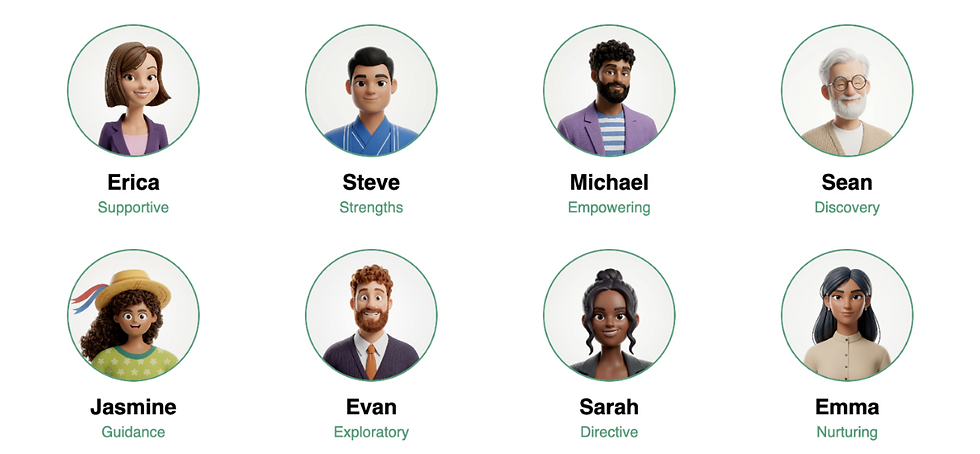
Using an AI coach can offer real-time support when other resources are limited. Tools like the AI Coach from Talent Transformation can help you process thoughts, build routines, and learn coping strategies 24/7. You can use AI to guide journaling, reframe negative beliefs, create daily plans, check in with your emotions, learn grounding techniques, practice conversations, or set small achievable goals. While not a replacement for therapy, consistent use of AI coaches can reduce mental overload and bring more clarity to your day.
When to Seek Professional Help
Doing your best to cope is important, but if things start to feel overwhelming or affect your daily life, it may be time to seek help. Reaching out to a counselor, health worker, or local support service doesn’t mean failure; it means you’re taking care of yourself.
Many communities offer free or low-cost support. If things feel too heavy or unsafe, don’t hesitate to reach out. You don’t have to face stress alone.
How Talent Transformation Can Help
Understanding yourself is a powerful step in reducing stress. The Foundation for Talent Transformation offers free, research-backed assessments that build self-awareness and resilience.
Helpful quizzes include:
Emotional Intelligence Quiz – Improve emotional regulation and empathy
Personality Traits Quiz – Understand how you respond to stress
Life Satisfaction Quiz – Identify areas affecting well-being
Communication Styles Quiz – Improve how you express needs
Learning Mindset Quiz – Build adaptability in stressful situations
After taking these assessments, the AI Coach can guide you further by helping you reflect on your results, turn insights into action, and stay consistent with small, meaningful changes. Together, these tools provide personalized guidance that helps you cope more effectively, reduce mental overload, and grow stronger over time.
Takeaways
You don’t need expensive therapy to start managing stress. Simple habits and self-care practices like consistent routines, journaling, movement, and reframing thoughts, can create meaningful change when practiced consistently. Adding modern tools like AI coaching gives you immediate, flexible support, making stress management more accessible than ever.
FAQs
Is it okay to manage stress without therapy?
Yes. Many people successfully use self-help tools. However, severe or persistent symptoms may still require professional care.
What’s the fastest way to calm down?
Breathing exercises and grounding techniques work quickly because they regulate your nervous system.
Can free strategies really work?
Yes. Consistency matters more than cost. Many evidence-based methods are free and effective.
When should I seek professional help?
If stress interferes with daily life, relationships, or mental stability, consider low-cost therapy options or community resources.
References and Citations
Centers for Disease Control and Prevention. "Managing Stress." CDC, 2025.
National Institute of Mental Health. "Caring for Your Mental Health." U.S. Department of Health and Human Services.
American Psychological Association. "How Stress Affects Your Health." APA, 2024.
National Institutes of Health. "Emotional Wellness Toolkit." NIH, 2024.
Hofmann, Stefan G., et al. "Cognitive-Behavioral Therapy for Anxiety and Stress-Related Disorders." Psychiatric Clinics of North America, vol. 44, no. 4, 2021, pp. 533–549.






.png)